Saona Island Coastal Soils: Soil Formation, Salinity, Nutrient Cycles & Habitat Health
Saona Island is widely appreciated for its tropical beaches, clear Caribbean waters, coastal vegetation, and natural scenery. However, beneath its landscapes is another important part of the island environment: coastal soil.
Soil supports vegetation, stores water, cycles nutrients, and provides a foundation for many terrestrial habitats. On a tropical island, soil conditions can vary considerably depending on the underlying geological material, rainfall, drainage, exposure to seawater, and the amount of organic matter present.
Understanding Saona Island coastal soils helps explain how land-based ecosystems function and why protecting the ground beneath coastal vegetation is an important part of environmental conservation.
This guide explores coastal soil formation, physical and chemical characteristics, salinity, nutrient cycling, environmental pressures, and responsible ways to protect tropical island soils.
1. What Are Coastal Soils?
Coastal soils are soils that develop in environments influenced by the nearby sea. Their properties may be affected by marine sediments, coastal groundwater, salt spray, windblown materials, rainfall, and changing moisture conditions.
Unlike soils in some inland environments, coastal soils can experience occasional or regular exposure to salt. Their drainage and water availability may also change over relatively short distances.
On Saona Island, different coastal settings may support different soil conditions. The soil beneath vegetation, for example, may have more accumulated organic material than exposed sandy ground. Low-lying areas may experience different moisture and salinity conditions from elevated, well-drained locations.
These differences are important because soil conditions influence which organisms can successfully live in a particular habitat.
2. How Do Tropical Coastal Soils Form?
Soil formation is a gradual process. It involves the interaction of geological materials, climate, living organisms, topography, and time.
Several processes contribute to the development of tropical coastal soils.
Weathering of Parent Material
Parent material is the original geological material from which soil develops. In Caribbean coastal settings, carbonate rocks and marine-derived materials can contribute to soil formation.
Weathering gradually breaks down rock and mineral material through physical, chemical, and biological processes.
Organic Matter Accumulation
Leaves, roots, dead organisms, and other biological materials can accumulate on the ground. Soil organisms gradually decompose this material, contributing organic matter to the soil.
Organic matter can improve soil structure, support nutrient cycling, and help the soil retain moisture.
Movement of Sediments
Wind, rainfall, surface runoff, and coastal processes can move sediment from one location to another. Over time, the addition or removal of sediment can influence soil depth and composition.
Biological Activity
Roots, microorganisms, fungi, and soil animals contribute to soil development. They help break down organic materials, create soil pores, and influence the availability of nutrients.
Together, these processes create soil conditions that may differ significantly across a relatively small island.
3. Physical Characteristics of Coastal Soils
Coastal soil properties vary with location and environmental conditions. Several physical characteristics are especially important.
Soil Texture
Soil texture describes the relative proportions of sand, silt, and clay.
- Sandy soil generally drains quickly and holds less water.
- Silty soil can retain more water than coarse sand.
- Clay-rich soil generally has greater water-retention capacity but may drain slowly.
A coastal area with coarse sandy material can behave very differently from a location containing finer mineral particles and accumulated organic matter.
Soil Structure
Soil structure describes how individual particles are grouped into aggregates. Good structure can create spaces for air and water movement.
Compaction can reduce these spaces, restrict root growth, and interfere with infiltration.
Soil Porosity
Porosity refers to the spaces between soil particles. These spaces store air and water.
Porosity influences drainage, aeration, and the ability of roots to grow. It is particularly important in environments that experience both heavy rainfall and periods of drying.
Soil Moisture
Soil moisture changes with rainfall, evaporation, drainage, vegetation cover, and groundwater conditions.
Vegetated soil may retain moisture differently from exposed ground because plant cover can reduce direct solar heating and influence evaporation.
4. Soil Salinity: The Influence of Salt
Salinity is one of the important environmental factors affecting coastal soils.
It refers to the concentration of dissolved salts in soil water. Coastal locations may experience salt influence through sea spray, seawater flooding, saline groundwater, or evaporation that leaves salts behind.
How Salt Affects Soil
High salt concentrations can make it difficult for many plants to absorb water. Even when the soil appears moist, plants may experience physiological water stress.
Excessive salinity can also affect soil microorganisms and nutrient availability.
Why Salinity Varies
Soil salinity is not necessarily uniform across an island. It may vary according to:
- Distance from the shoreline
- Elevation and drainage
- Groundwater conditions
- Rainfall and evaporation
- Frequency of seawater exposure
- Soil texture and permeability
For this reason, it would be inaccurate to assume that all coastal soils on Saona Island have the same salt concentration.
5. Nutrient Cycling in Coastal Soil
Healthy soil is not simply a mixture of mineral particles. It is an active biological system where nutrients are continuously transformed and reused.
Important nutrients include nitrogen, phosphorus, potassium, calcium, and several micronutrients.
Decomposition
Dead leaves, roots, and other organic materials are broken down by microorganisms and soil organisms.
This decomposition releases nutrients that can become available to plants.
Nitrogen Cycling
Nitrogen is essential for plant growth. Soil microorganisms help transform nitrogen between different chemical forms.
Some processes make nitrogen available to plants, while others return nitrogen to the atmosphere or move it through water.
Phosphorus Availability
Phosphorus supports root development, energy transfer, and other important biological functions.
Its availability depends on soil chemistry, mineral composition, organic matter, and biological activity.
Role of Organic Matter
Organic matter supports soil organisms and can improve water retention and soil structure. Maintaining natural vegetation and limiting unnecessary disturbance can help preserve this important component.
6. The Relationship Between Soil and Coastal Vegetation
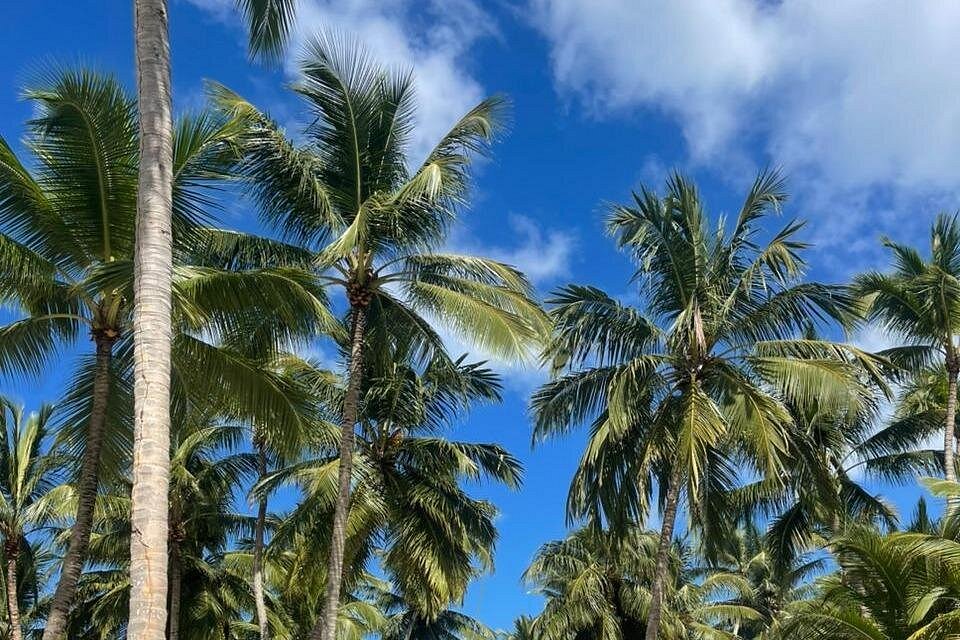
Coastal vegetation depends on suitable soil conditions for anchorage, water, and nutrients.
Different plants have different tolerances to salt, moisture, and soil texture. Some coastal species can survive in relatively harsh conditions, while others require more stable moisture and nutrient conditions.
Soil influences vegetation through:
- Water availability
- Nutrient supply
- Root penetration
- Aeration
- Salt concentration
- Soil stability
Vegetation also influences soil. Roots can help hold soil particles together, while fallen leaves and other plant materials contribute organic matter.
This creates a relationship in which soil supports vegetation and vegetation helps maintain soil quality.
7. Why Soil Health Matters for Island Wildlife
Coastal soil indirectly supports many forms of wildlife.
Healthy vegetation provides food, nesting opportunities, shade, and shelter for different organisms. Soil organisms also contribute to the wider ecosystem by decomposing organic matter and supporting nutrient cycling.
Soil disturbance can affect these relationships.
For example, repeated trampling may compact the ground, reduce vegetation cover, and make it more difficult for water to enter the soil. Removing natural vegetation can also increase exposure to erosion.
Protecting soil therefore helps maintain the wider ecological conditions that support island biodiversity.
8. Environmental Threats to Coastal Soil
Coastal soils can be affected by natural processes and human activities.
Soil Compaction
Frequent walking or vehicle movement over sensitive ground can compress soil particles. This reduces pore space and may affect drainage and root growth.
Vegetation Removal
Removing vegetation can expose soil to rainfall, wind, and surface runoff. It can also reduce the natural input of organic matter.
Erosion
Water and wind can remove exposed soil particles. Erosion may gradually reduce soil depth and transport sediment into nearby environments.
Pollution
Improper waste disposal, fuel leaks, and other pollutants can introduce harmful substances into soil.
Changes in Water Conditions
Alterations to drainage or groundwater conditions can change soil moisture and salinity. These changes may affect plants and soil organisms.
The severity of each pressure depends on local conditions and should be evaluated through field observation and environmental monitoring.
9. How Can Coastal Soil Be Studied?
Soil science uses several methods to understand the condition and development of coastal soils.
Soil Sampling
Researchers collect soil samples from selected locations and depths. Sampling locations should be recorded carefully so that results can be compared.
Soil Texture Analysis
Texture can be assessed using laboratory methods that determine the relative proportions of sand, silt, and clay.
Soil pH Measurement
Soil pH indicates whether soil is acidic, neutral, or alkaline. It can influence nutrient availability and biological activity.
Electrical Conductivity
Electrical conductivity is commonly used as an indicator of dissolved salts in soil-water extracts or soil solutions.
Organic Matter Testing
Laboratory methods can estimate the organic matter content of soil. This helps researchers understand nutrient cycling and soil condition.
Moisture and Infiltration Tests
Soil moisture measurements and infiltration tests help explain how water enters, moves through, and remains within the soil.
A reliable study should use appropriate sampling procedures and clearly record the methods, locations, and testing conditions.
10. Responsible Ways to Protect Saona Island's Soil
Soil conservation is an important part of protecting tropical coastal environments.
Visitors, tour operators, local communities, and environmental managers can all contribute.
Practical measures include:
- Stay on appropriate paths rather than walking through sensitive vegetation.
- Avoid driving vehicles over fragile natural ground.
- Never dump food waste, plastic, fuel, or chemicals onto the soil.
- Avoid removing native vegetation or disturbing roots.
- Follow access guidance in protected and environmentally sensitive areas.
- Support tourism operators that respect local environmental requirements.
- Encourage proper waste collection and responsible site management.
Small actions can help reduce unnecessary soil disturbance, especially in places that receive regular visitor activity.
11. Why Coastal Soil Conservation Matters for the Future
Soil develops slowly, and some damaged soil conditions can take a long time to recover.
Protecting coastal soil helps maintain vegetation, support nutrient cycles, preserve habitat conditions, and reduce the risk of unnecessary land degradation.
For Saona Island, soil conservation should be considered alongside marine protection, vegetation management, responsible tourism, and wider ecosystem conservation.
A healthy island environment depends on the connection between land, water, plants, animals, and people.
Frequently Asked Questions
1. What are coastal soils?
Coastal soils are soils influenced by nearby marine conditions, including salt spray, seawater, coastal sediments, rainfall, and groundwater.
2. Why is soil salinity important on Saona Island?
Salt concentration can influence how plants absorb water, how soil organisms function, and which vegetation can tolerate particular coastal conditions.
3. Does all soil on Saona Island have the same composition?
No. Soil composition can vary with parent material, drainage, organic matter, elevation, moisture, and exposure to coastal processes.
4. How does vegetation improve soil health?
Vegetation contributes organic matter, supports soil organisms, and can help stabilize soil through its root systems.
5. How can researchers test coastal soil?
Common methods include soil sampling, texture analysis, pH testing, electrical conductivity measurement, organic matter analysis, and infiltration testing.
6. Can tourism damage coastal soil?
Unmanaged foot traffic, vehicle movement, vegetation removal, and waste disposal can contribute to soil compaction, erosion, and pollution.
7. Why should visitors care about soil conservation?
Healthy soil supports vegetation and terrestrial habitats. Responsible visitor behavior can help reduce unnecessary disturbance.
Conclusion
Saona Island's coastal environment is supported by more than its beaches and surrounding waters. The soil beneath coastal vegetation plays an essential role in water movement, nutrient cycling, plant growth, and habitat stability.
Understanding soil formation, texture, moisture, salinity, and organic matter provides a clearer picture of how tropical island ecosystems function.
By reducing pollution, protecting vegetation, and avoiding unnecessary disturbance, visitors and environmental stakeholders can help support healthier coastal landscapes.
The ground beneath an island may receive less attention than its beaches, but protecting it is an important part of conserving the natural environment of Saona Island.
Local explorer & expert guide in Day Trips Tour.