Saona Island Coastal Microclimates: Temperature, Humidity, Wind & Local Weather Patterns
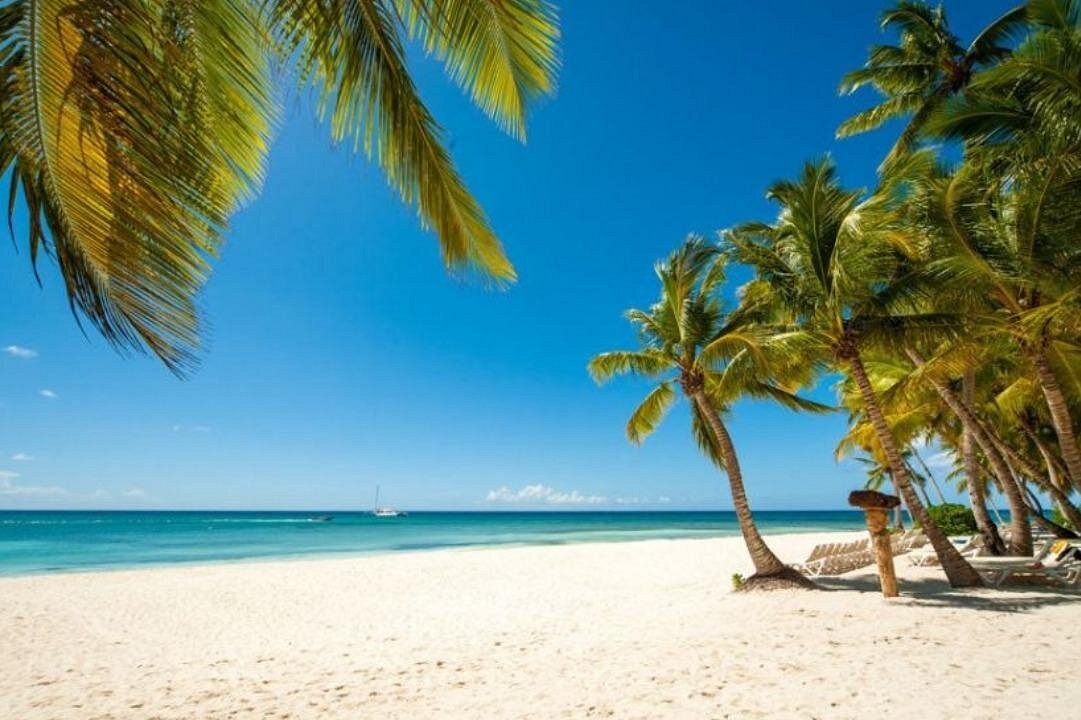
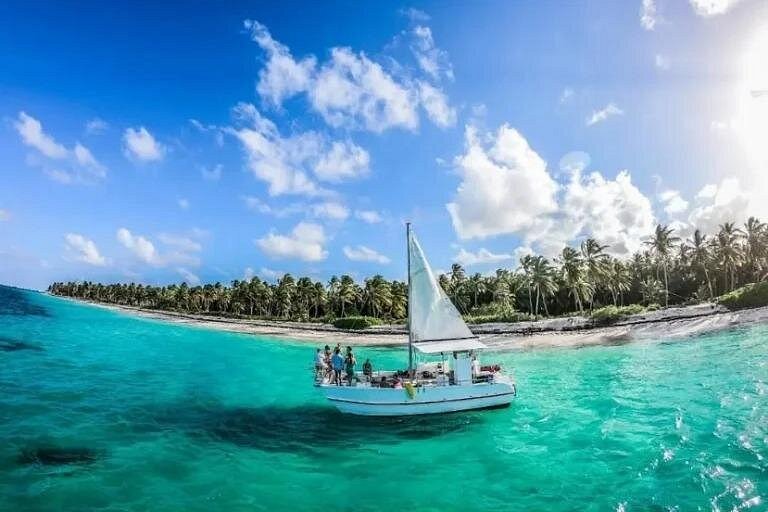
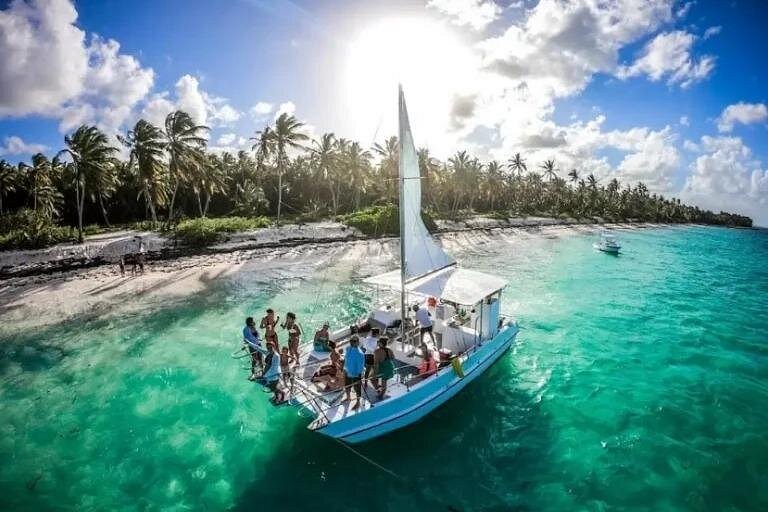
Saona Island, located off the southeastern coast of the Dominican Republic, is known for its tropical scenery, beautiful beaches, and surrounding Caribbean waters. Its warm climate is an important part of the island's natural environment and visitor experience.
However, the weather experienced across an island is not always exactly the same everywhere. Even within a relatively small geographical area, temperature, humidity, wind exposure, and sunlight can vary depending on the surrounding landscape.
These small-scale variations are known as microclimates.
Understanding Saona Island coastal microclimates provides a fascinating way to explore the relationship between the atmosphere, ocean, vegetation, and land. It also helps explain why a shaded coastal area may feel different from an exposed beach, even when both locations are close together.
This guide explains the science behind coastal microclimates, the role of sea breezes, local humidity, sunlight, vegetation, and the importance of studying small-scale weather conditions.
1. What Is a Coastal Microclimate?
A microclimate is a localized atmospheric condition that differs from the broader climate of the surrounding region.
It may develop over a small geographical area, such as:
- A shaded coastal forest
- An exposed sandy beach
- A sheltered area behind vegetation
- A low-lying coastal location
- An open shoreline facing the sea
These places may experience different levels of sunlight, wind movement, surface heating, and moisture.
A coastal microclimate is particularly influenced by the interaction between land and water.
Because water and land heat and cool at different rates, coastal environments often experience distinctive local weather patterns.
For Saona Island, this means that the conditions at an exposed shoreline may feel different from those beneath vegetation or in a more sheltered location.
2. How the Caribbean Sea Influences Local Temperature
The surrounding sea plays an important role in regulating coastal temperatures.
Water has a relatively high specific heat capacity. This means it generally takes more energy to raise the temperature of water than an equivalent mass of many common land materials.
As a result, the sea tends to heat and cool more slowly than exposed land.
During the Day
Sunlight heats both the land and the ocean surface.
Land surfaces often warm more quickly, while the nearby sea changes temperature more slowly.
This difference can influence air movement and coastal temperature conditions.
During the Night
Land surfaces generally lose heat more rapidly than large bodies of water.
The sea can therefore remain relatively warmer than nearby land after sunset.
This difference contributes to the development of local coastal wind patterns.
The surrounding Caribbean Sea can moderate temperature changes, although actual conditions depend on weather systems, wind, cloud cover, and seasonal influences.
3. Sea Breezes and Coastal Wind Patterns
Sea breezes are one of the most recognizable features of many coastal environments.
A sea breeze generally develops when land becomes warmer than the nearby sea during the day.
How a Sea Breeze Develops
The process can be explained in several steps:
- Solar radiation heats the land surface.
- Air above the land becomes warmer and rises.
- Cooler air from above the sea moves toward the land.
- This movement produces an onshore wind known as a sea breeze.
The strength and timing of a sea breeze depend on temperature differences, background winds, atmospheric stability, and local geography.
Land Breezes
During nighttime, the land may cool faster than the sea.
This can create conditions for air movement from land toward the water, known as a land breeze.
However, local weather systems and prevailing winds can weaken, strengthen, or change these patterns.
Why Coastal Breezes Matter
Sea breezes can influence:
- Local temperature
- Humidity distribution
- Surface evaporation
- Wind conditions along beaches
- The movement of airborne particles
They can also affect how comfortable an exposed beach feels during a warm day.
4. Humidity in a Tropical Coastal Environment
Humidity refers to the amount of water vapour present in the atmosphere.
Tropical coastal environments often experience substantial moisture because of their proximity to warm seawater and frequent evaporation.
Relative Humidity
Relative humidity describes how close the air is to saturation at a particular temperature.
Warm air can contain more water vapour before reaching saturation than cooler air.
This means relative humidity can change even when the actual amount of water vapour remains similar.
Why Humidity Feels Different in Different Places
Humidity and comfort are influenced by several factors:
- Air temperature
- Wind speed
- Sunlight exposure
- Shade
- Evaporation from surfaces
- Air movement around vegetation
For example, a shaded location with moving air may feel more comfortable than an exposed location with strong sunlight and limited airflow.
Humidity and Coastal Vegetation
Moist atmospheric conditions can influence plant water loss and local vegetation environments.
Different plant species respond differently to humidity, sunlight, and soil moisture.
These relationships contribute to the ecological differences found across tropical coastal landscapes.
5. Sunlight and Surface Heating
Sunlight is one of the most important factors controlling local temperature.
Different surfaces absorb, reflect, and release solar energy in different ways.
Sandy Beaches
Exposed sand receives direct solar radiation and can become very hot during periods of strong sunshine.
The temperature of the sand surface may be considerably higher than the surrounding air temperature.
Vegetated Areas
Trees and other vegetation can provide shade and reduce the amount of direct solar radiation reaching the ground.
Vegetation also releases water vapour through transpiration, which contributes to exchanges of moisture and energy between the land and atmosphere.
Water Surfaces
The ocean absorbs and stores solar energy differently from dry land.
This difference contributes to the thermal contrast that helps drive coastal wind circulation.
These surface characteristics explain why nearby locations can feel different even under the same general weather conditions.
6. The Role of Coastal Vegetation in Microclimates
Vegetation can influence the atmospheric conditions immediately around it.
Trees, shrubs, and other plants can modify sunlight, wind speed, surface temperature, and moisture.
Shade
Plant canopies reduce direct solar radiation reaching the ground.
This can lower surface temperatures beneath vegetation compared with nearby exposed areas.
Evapotranspiration
Plants release water vapour through transpiration, while evaporation occurs from soil and other wet surfaces.
Together, these processes are known as evapotranspiration.
They contribute to moisture exchange between land and atmosphere.
Wind Protection
Vegetation can reduce wind speed close to the ground.
The amount of protection depends on plant height, density, arrangement, and wind direction.
Habitat Conditions
By modifying local temperature, moisture, and wind conditions, vegetation can help create suitable environments for different organisms.
The relationship between vegetation and microclimate is therefore important for understanding tropical island ecology.
7. Coastal Microclimates and Rainfall
Rainfall can vary across relatively small areas because of atmospheric conditions and local geographical influences.
Coastal rainfall may be affected by:
- Moisture availability
- Wind direction
- Atmospheric instability
- Cloud development
- Tropical weather systems
- Local surface heating
Warm, moist air can rise and cool, potentially leading to cloud formation and precipitation when atmospheric conditions are suitable.
However, it is important not to assume that one part of Saona Island always receives more rainfall than another without local weather measurements.
Reliable comparisons require observations collected at multiple locations over time.
8. How Microclimates Affect the Visitor Experience
Microclimate differences can influence how visitors experience different parts of Saona Island.
A sunny beach may feel hotter than a shaded area, while an exposed shoreline may feel cooler when a sea breeze is present.
Understanding these conditions can help visitors prepare more comfortably.
Choosing Shade
Visitors can take breaks in appropriate shaded locations, especially during periods of strong sunshine.
Staying Hydrated
Warm temperatures and humidity can increase discomfort during outdoor activities.
Drinking sufficient water is an important part of a comfortable tropical excursion.
Understanding Wind Conditions
Wind can influence beach comfort, boat movement, and the drying of clothing and towels.
Visitors should follow their tour operator's guidance about local conditions.
Protecting Against Sun Exposure
Even when the wind makes the weather feel cooler, sunlight exposure can remain strong.
Sun protection, suitable clothing, and regular breaks are sensible precautions.
9. How Scientists Study Coastal Microclimates
Microclimate research involves measuring atmospheric conditions at specific locations.
Researchers can install weather instruments at different sites and compare their observations.
Air Temperature Measurements
Thermometers and electronic temperature sensors measure air temperature.
Sensors should be installed in appropriate radiation shields to reduce errors caused by direct sunlight.
Relative Humidity Sensors
Humidity sensors measure atmospheric moisture conditions.
They are often installed alongside temperature sensors because relative humidity is temperature-dependent.
Wind Speed and Direction
Anemometers measure wind speed, while wind vanes or other instruments determine wind direction.
These measurements help researchers investigate sea breezes and local airflow.
Solar Radiation Measurements
Radiometers can measure incoming solar radiation.
These measurements help explain differences in surface heating between exposed and shaded areas.
Rainfall Measurements
Rain gauges collect rainfall data over a specified period.
Multiple gauges can help researchers investigate spatial differences in precipitation.
10. A Simple Microclimate Research Project for Saona Island
A useful scientific study could compare atmospheric conditions at different types of coastal locations.
For example, researchers could select:
- An exposed beach
- A shaded vegetated area
- A sheltered coastal location
- An open shoreline
At each location, they could measure temperature, relative humidity, wind speed, wind direction, and solar radiation.
Measurements should be taken at consistent heights and time intervals.
The resulting dataset could be used to:
- Compare air temperature between locations.
- Identify differences in humidity.
- Examine the influence of shade.
- Investigate local wind patterns.
- Compare daytime and nighttime conditions.
- Evaluate relationships between sunlight and surface heating.
For reliable results, researchers should repeat measurements across multiple days and document weather conditions.
This would provide a scientific basis for understanding local atmospheric variation rather than relying only on personal impressions.
11. Climate Change and the Future of Coastal Microclimates
Although microclimates describe localized conditions, they are also influenced by broader climatic changes.
Changes in air temperature, ocean temperature, rainfall, and atmospheric circulation can influence coastal environments.
For example, changes in vegetation cover may affect shade and evapotranspiration.
Changes in coastal water conditions may also influence local atmospheric moisture and temperature patterns.
It is important to distinguish between short-term weather variability, local microclimate differences, and long-term climate trends.
A single hot day does not establish a climate trend. Long-term measurements are necessary to understand persistent environmental changes.
12. Protecting the Natural Microclimates of Saona Island
Natural vegetation and coastal environments help maintain local environmental conditions.
Responsible land management can help preserve these natural processes.
Practical measures include:
- Protecting natural vegetation from unnecessary removal.
- Avoiding damage to sensitive coastal habitats.
- Preventing pollution and uncontrolled waste disposal.
- Supporting responsible tourism practices.
- Avoiding unnecessary disturbance of natural ground surfaces.
- Encouraging environmental monitoring and research.
Maintaining natural vegetation is especially important because plants influence shade, moisture exchange, and wind movement.
Conserving the island's natural landscape therefore helps protect more than its appearance.
Frequently Asked Questions
1. What are coastal microclimates?
Coastal microclimates are localized atmospheric conditions influenced by the interaction of land, seawater, vegetation, sunlight, and wind.
2. Why can two nearby places feel different on Saona Island?
Differences in sunlight, shade, wind exposure, surface materials, and moisture can create different local temperature and humidity conditions.
3. What causes a sea breeze?
A sea breeze usually develops during the day when land heats more quickly than the nearby sea, creating pressure differences that encourage cooler air to move inland.
4. Is humidity always higher near the sea?
Coastal air often contains substantial moisture, but actual relative humidity varies with temperature, wind, rainfall, and atmospheric conditions.
5. Does vegetation reduce local temperature?
Vegetation can reduce ground heating by providing shade and can influence local temperature through evapotranspiration.
6. How can coastal microclimates be measured?
Researchers use temperature sensors, humidity sensors, anemometers, solar radiation instruments, and rain gauges.
7. Are microclimates the same as climate change?
No. Microclimates describe localized atmospheric conditions, while climate change refers to long-term changes in climate patterns.
8. Why are microclimates important for Saona Island?
They help explain local environmental variation and the relationship between coastal weather, vegetation, visitor comfort, and island ecosystems.
Conclusion
Saona Island's tropical environment is shaped by more than its general regional climate. Local differences in sunlight, temperature, humidity, vegetation, and wind create smaller atmospheric environments known as coastal microclimates.
The surrounding Caribbean Sea influences temperature and wind circulation, while vegetation modifies shade, moisture, and airflow.
Understanding these processes helps explain why different coastal locations can feel different even when they are geographically close.
Through responsible tourism, vegetation protection, and scientific monitoring, the natural environmental conditions of Saona Island can be better understood and conserved.
Exploring the island through the science of microclimates reveals another fascinating connection between the Caribbean Sea, tropical land, and the atmosphere.

Local explorer & expert guide in Day Trips Tour.